
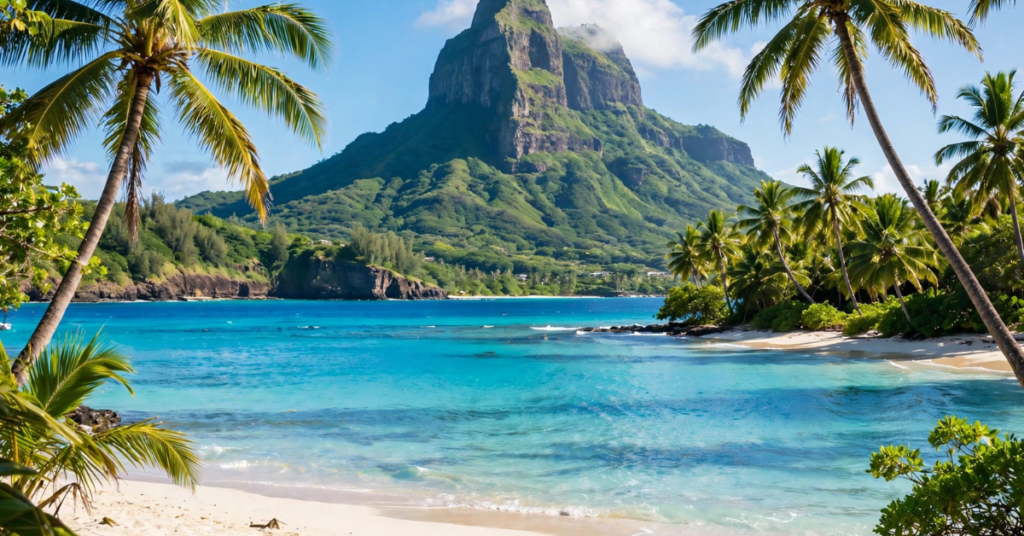
When Is the Best Time to Visit Mauritius? A Month-by-Month Guide
If you’re asking yourself when is the best time to visit Mauritius, the short answer is May to December, with the sweet spots falling in May, June, September, October and November. That said, this Indian Ocean island is a year-round destination, and the “best” month really depends on what you want from your trip: calm seas, cheaper flights, hiking weather or a proper beach holiday.
Mauritius sits in the tropics, so it has two main seasons rather than four. The warm, wetter summer runs from November to April, and the cooler, drier winter runs from May to October. In this guide, I’ll walk you through how each season feels on the ground, break down the weather in key months, and help you pick the right time for your own holiday.
Best Month to Visit Mauritius Overall
If I had to pick one, October takes it. Rainfall is low, the humidity has eased, daytime temperatures hover around a comfortable 26°C, and the sea is still pleasant for swimming and snorkelling. The school holidays are mostly over in Europe, so beaches feel less crowded than in July or August, and prices haven’t yet jumped for the festive season.
May, June, September and November are close runners-up. May and June bring settled, dry weather and some of the best-value deals of the year. September is warm, bright and quiet. November sits just before the summer rains properly arrive, offering warm water and fewer tourists.
The months to approach with a little more caution are January to March. This is peak cyclone season and the hottest, stickiest part of the year. You can still have a great holiday, especially if you’re after bargains, but you’ll need flexibility and good travel insurance.
Mauritius Weather Breakdown – Month by Month
Mauritius has plenty of microclimates. The west coast (Flic en Flac, Tamarin) is drier and sheltered, while the east and south-east catch the trade winds and more rain. The central plateau, around Curepipe, is noticeably cooler and wetter than the coast. Keep that in mind as you read the month-by-month details below.
Mauritius Weather in January
January is the middle of the hot, humid summer, and it’s one of the wettest months on the island. Coastal temperatures typically reach 29°C to 31°C during the day, with humidity that can feel heavy. Rain often arrives in short, sharp tropical downpours rather than all-day drizzle, and the sun usually returns quickly afterwards. The sea is warm at around 28°C, but cyclone risk is at its peak between January and March, so keep an eye on forecasts. If you’re staying on the drier west coast, you’ll generally get the best of it.
Weather Mauritius in April
April is a lovely transition month and a firm favourite with those in the know. The summer rains are fading, humidity drops, and daytime temperatures settle at around 28°C along the coast. The sea stays warm at roughly 27°C, perfect for snorkelling and diving, with excellent visibility as conditions calm. Cyclone risk is low by now, though the odd shower can still pass through. Crowds are thin outside the Easter period, so you’ll find quieter beaches, better availability and some genuinely good hotel prices. It’s arguably the best-value month of the year.
Mauritius Weather in October
October is where the island hits its stride. It’s dry, sunny and pleasantly warm, with coastal highs around 26°C to 27°C and cooler evenings of about 19°C to 21°C. Rainfall is at its lowest, humidity is comfortable, and the wind has softened compared with July and August. The sea sits at around 24°C to 25°C, still lovely for swimming. It’s ideal for combining beach days with hiking in Black River Gorges or exploring Port Louis. Expect moderate crowds and prices that sit between shoulder and peak rates.
Comparison Table – Best Time to Visit Mauritius
Here’s a quick-glance comparison of all twelve months. Temperatures are approximate coastal day highs, and rainfall is described in relative terms.| Month | Avg Temperature | Rainfall | Crowd Level | Price Level | Best For |
|---|---|---|---|---|---|
| January | 24–31°C | High | High (New Year) | High | Hot beach days, festive trips |
| February | 24–31°C | High | Low–Medium | Low–Medium | Bargain hunters, warm sea |
| March | 24–30°C | High | Low | Low | Budget travel, lush scenery |
| April | 23–29°C | Moderate | Low–Medium | Low–Medium | Value, snorkelling, diving |
| May | 21–27°C | Low–Moderate | Low | Low–Medium | Honeymoons, quiet beaches |
| June | 20–26°C | Low | Medium | Medium | Sightseeing, hiking |
| July | 19–25°C | Low | High | High | Kitesurfing, school holidays |
| August | 19–25°C | Low | High | High | Windsports, cooler weather |
| September | 20–26°C | Low | Medium | Medium | All-round sightseeing, whale watching |
| October | 21–27°C | Very Low | Medium | Medium | Best overall weather |
| November | 22–29°C | Low–Moderate | Low–Medium | Medium | Swimming, diving, honeymoons |
| December | 24–30°C | Moderate–High | Very High | Very High | Festive celebrations, hot sunshine |
Mauritius Rainy Season – What to Expect
The Mauritius rainy season runs roughly from November to April, peaking between January and March. This is also the island’s summer, so it’s hot, humid and green. Rain tends to come in heavy bursts, often in the afternoon or overnight, and it’s usually followed by sunshine. Many travellers are surprised by how much dry weather they still get, particularly on the west and north coasts.
The central plateau and the east coast receive the most rainfall, with places like Curepipe seeing far more than the coast. If you want to stay dry, base yourself in the north (Grand Baie, Pereybere) or west (Flic en Flac, Le Morne).
Cyclones are the other consideration. The official cyclone season runs from November to April, with the highest risk between January and March. A direct hit is relatively rare, but tropical storms and warnings do happen. The Mauritius Meteorological Services issue clear, graded alerts, and hotels are well prepared. Still, I’d always recommend travel insurance that covers weather disruption, and booking flexible flights if you’re visiting in peak cyclone months.
On the plus side, the rainy season brings lower prices, warm sea temperatures, lush waterfalls and far fewer visitors. If you’re relaxed about the odd downpour, it can be excellent value.
The winter dry season, from May to October, is the mirror image. Skies are clearer, humidity is lower and rain is mostly confined to brief showers on the eastern slopes. The trade winds are stronger, particularly in July and August, which is great for kitesurfers but can make the east and south coasts blustery.
Also Read About: How Does Halsbury Travel Compare to Other School Travel Companies
Final Verdict – When Should YOU Visit Mauritius?
Here’s how I’d match the time of year to the type of traveller:
- Best overall weather: October, closely followed by September and November.
- Best for honeymooners: May, June or November, with warm weather, calm seas and fewer crowds.
- Best on a budget: February, March and April, when prices drop and you’ll find bargains on flights and hotels.
- Best for diving and snorkelling: April, May, October and November, when visibility is excellent and the water is warm.
- Best for kitesurfing and windsports: July and August, when the trade winds are at their strongest.
- Best for hiking and sightseeing: June to September, when it’s cooler and drier.
- Best for families: Late April to June or September, avoiding the busiest school holidays.
- Best for festive celebrations: December and early January, though you’ll pay a premium.
If you can be flexible, aim for late April to early June or September to November. These windows give you the best balance of good weather, fair prices and relaxed beaches. And if you’re stuck with school holidays, July and August are still lovely, just book early and expect cooler evenings.
Frequently Asked Questions (FAQs)
1. When is the best time to visit Mauritius?
The best time to visit Mauritius is between May and December, with September, October and November often considered ideal. These months offer dry, sunny weather, comfortable humidity and warm seas without the extreme heat or cyclone risk of the summer months. October is arguably the single best month overall.
2. What is the cheapest month to visit Mauritius?
February and March are typically the cheapest months, with April and May also offering great value. Hotels and airlines discount heavily during the humid, rain-prone summer, so you can save a considerable amount compared with December, January, July or August. Just factor in the cyclone season and consider flexible bookings.
3. When is the rainy season in Mauritius?
The rainy season in Mauritius runs from roughly November to April, with the heaviest rain between January and March. Showers are usually short and intense rather than constant. The central plateau and east coast are wetter, while the west and north coasts are generally drier and sunnier.
4. Is January a good time to visit Mauritius?
January can be a good time if you enjoy hot weather and don’t mind the odd downpour. Temperatures are high, the sea is warm and the island is lush, but it’s humid, rainy and within peak cyclone season. It’s also a busy, expensive period around New Year. Choose the west or north coast and buy flexible travel insurance.
5. Which month is best for honeymoon in Mauritius?
May, June and November are excellent for honeymoons. The weather is warm and mostly dry, the sea is calm, resorts are quieter, and prices are friendlier than in peak season. October and September are also lovely choices if you want gentle sunshine and romantic, uncrowded beaches.
If you want to read more articles please visit our homepage: worldtrendsblog.com