
Mediterranean & Aegean Tourism Growth in 2026: What’s Driving It
The Mediterranean and Aegean regions have long been synonymous with sun-soaked coastlines, ancient history, and unforgettable island getaways. But 2026 is shaping up to be a particularly remarkable year for tourism across this part of the world. From record-breaking visitor numbers in Greece to shifting competitive dynamics between long-standing tourism powerhouses, the region is experiencing a genuine growth surge — even amid ongoing global economic and geopolitical uncertainty. In this article, we’ll break down what’s actually happening across the Mediterranean and Aegean tourism landscape this year, and what’s fueling the momentum.
Greece Emerges as a Standout Performer
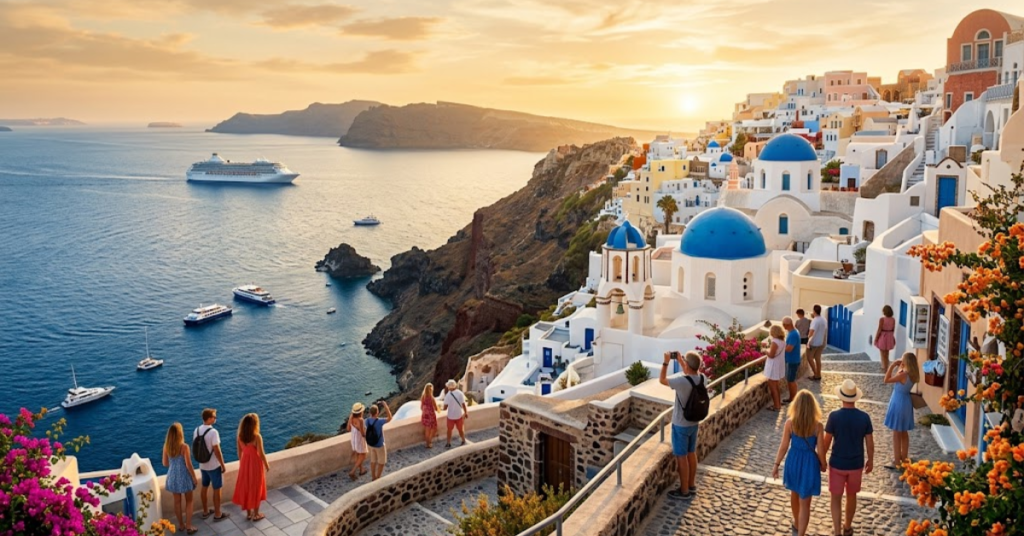
Perhaps the most striking storyline of 2026 has been Greece’s continued rise as one of Europe’s leading tourism destinations. The country is on track to welcome a record-breaking number of travelers this year, with strong demand coming from major source markets including Germany, the United Kingdom, Italy, France, the United States, and Russia. Popular destinations like Athens, Santorini, Mykonos, Crete, and Rhodes continue to anchor this growth, supported by expanding air connectivity and increasingly diverse travel experiences on offer.
What’s particularly notable is that Greece’s tourism growth in early 2026 outpaced several other major European markets, including Ireland, Italy, Spain, Germany, Finland, and Cyprus, in terms of overall growth momentum. Analysts point to a combination of factors behind this success: strong marketing campaigns, improved regional connectivity, and a broader shift toward year-round travel rather than relying solely on the traditional summer peak season.
The South Aegean Leads Greece’s Regional Tourism Economy
Within Greece itself, the South Aegean region — which includes popular island destinations — has emerged as the country’s top-performing tourism area. Tourism revenues in this region have grown substantially compared to the previous year, and the South Aegean now captures roughly a third of Greece’s total tourism revenue across its thirteen regions, making it the clear frontrunner nationally.
Interestingly, this growth hasn’t come purely from higher visitor volume. Even in a year affected by seismic activity that temporarily reduced arrivals to Santorini, the South Aegean maintained its position as one of the highest-value tourism regions not just in Greece, but across Europe more broadly. Average nightly spending in the region rose significantly compared to the previous year, coming in well above the national average — a sign that the region is increasingly attracting higher-spending travelers rather than simply more visitors.
Turkey’s Long-Stay Strategy Pays Off
Turkey has taken a notably different approach to tourism growth in 2026, focusing on extending the average length of visitor stays rather than competing purely on volume. Remarkably, Turkey has achieved the longest average tourist stays in Europe this year, with visitors spending roughly double the number of days in the country compared to those visiting Spain. Early 2026 figures show millions of visitors and billions of dollars in tourism revenue, reinforcing Turkey’s position as a major global tourism player.
This strategy appears deliberate. Turkish tourism authorities have expressed clear ambitions to position the country as a premium, extended-stay destination rather than chasing quick, budget-focused visits. Continued investment in airport infrastructure, rail connectivity, and regional transportation has made it easier for travelers to explore multiple destinations — from Cappadocia to the Aegean islands to Mediterranean coastal towns — within a single, longer trip. Turkey’s tourism ministry has also set an ambitious annual revenue target in the tens of billions of dollars, with officials reporting the country remains on track to meet it despite regional challenges.
Croatia’s Rising Presence in the Mediterranean
While Greece and Turkey continue to dominate headlines, Croatia has quietly climbed into the upper tier of Mediterranean tourism destinations in 2025 and 2026. National data shows Croatia recording tens of millions of overnight stays and tourist arrivals in the range of 20 million, alongside tourism revenues exceeding fifteen billion euros — figures that mark new records and extend a multi-year growth streak.
Croatia’s appeal is partly tied to practical advantages: as a eurozone and Schengen member, the country offers travelers more predictable pricing and simpler border processes compared to some neighboring destinations. At the same time, rising accommodation costs in Croatia’s most popular coastal areas suggest that increased demand is beginning to put pressure on affordability in peak locations — a trend worth watching for travelers planning future trips.
Why the Whole Region Is Growing
Several broader forces appear to be driving Mediterranean and Aegean tourism growth collectively, rather than any single country succeeding in isolation:
Year-Round Travel Demand. Changing traveler preferences, greater remote work flexibility, and evolving climate patterns are pushing tourism activity beyond the traditional summer months. Winter sun tourism, in particular, has become a meaningful part of the region’s travel economy, benefiting destinations like Greece, Spain, Portugal, Italy, and Cyprus.
Cruise and Island Tourism Expansion. Cruise operators continue expanding their Eastern Mediterranean itineraries, with islands like Santorini, Mykonos, and Rhodes remaining among the busiest cruise stops in the region. Improved ferry networks between islands are also making multi-destination island-hopping trips easier for travelers to plan.
Diverse Travel Experiences. Modern travelers are increasingly seeking more than just beach holidays. Wellness retreats, culinary travel, cultural tourism, and outdoor dining experiences are all contributing to the region’s broader appeal, helping destinations attract a wider range of visitor interests throughout the year.
Resilience Amid Global Uncertainty. Despite ongoing geopolitical tensions and economic pressures affecting global travel more broadly, intra-European travel has remained notably resilient. Strong regional aviation infrastructure and established tourism networks continue supporting steady visitor movement across the Mediterranean and Aegean regions.
What This Means for Travelers
For anyone planning a Mediterranean or Aegean getaway, this growth trend carries a few practical implications. Popular destinations like Santorini, Mykonos, and other high-demand islands are likely to see continued visitor pressure, which can mean higher accommodation prices and more crowded peak-season experiences. Travelers looking for better value or a quieter experience may want to consider shoulder-season travel (spring or autumn) or emerging destinations that haven’t yet reached peak popularity.
At the same time, the region’s push toward diverse, experience-based tourism means travelers now have more options than ever — from extended cultural itineraries in Turkey to island-hopping cruises through the Aegean to Croatia’s increasingly polished coastal offerings.
Final Thoughts
The Mediterranean and Aegean tourism sector is entering a genuinely dynamic phase in 2026, marked by record visitor numbers, shifting competitive dynamics between traditional powerhouses, and a broader move toward year-round, experience-driven travel. Whether you’re drawn to Greece’s island charm, Turkey’s extended-stay appeal, or Croatia’s rising profile, the region continues to demonstrate why it remains one of the world’s most enduring and resilient tourism destinations.
Disclaimer: This article reflects tourism data and trends reported as of 2026 and is intended for general informational purposes. Figures and rankings may change as the season progresses and as updated official statistics become available.
Also Read More Informational Articles At: worldtrendsblog.com